Hot Water That Never Runs Out
Tankless Water Heater Installation in Twin Falls for homes that run out of hot water during peak use
Wrench Wise Plumbing installs tankless water heating systems that heat water on demand rather than storing it in a tank. Homes with multiple bathrooms or families that experience cold showers when laundry and dishes run simultaneously need a solution that keeps up with actual usage patterns. Tankless units activate only when you open a hot water tap, heating water as it flows through the heat exchanger, which eliminates the standby energy loss that occurs when a storage tank maintains temperature around the clock.
The installation process involves evaluating your existing gas line capacity or electrical service to ensure it can supply the higher input requirements tankless systems demand during operation. Gas-powered units typically require venting upgrades to handle exhaust safely, while electric models may need dedicated circuit breakers. Flow rate calculations determine which unit size matches your household's simultaneous hot water demands, accounting for fixtures likely to run at the same time.
Schedule a property evaluation to assess your current fuel supply infrastructure and hot water usage patterns.
Why Tankless Systems Reduce Monthly Utility Costs
Traditional storage water heaters cycle on repeatedly throughout the day to maintain set temperatures, even when no one is home using hot water. Tankless systems eliminate this standby heat loss entirely by heating water only during active use, which translates to lower gas or electric bills over time. The energy efficiency difference becomes most noticeable in households with irregular hot water usage patterns or properties that sit empty during work hours.
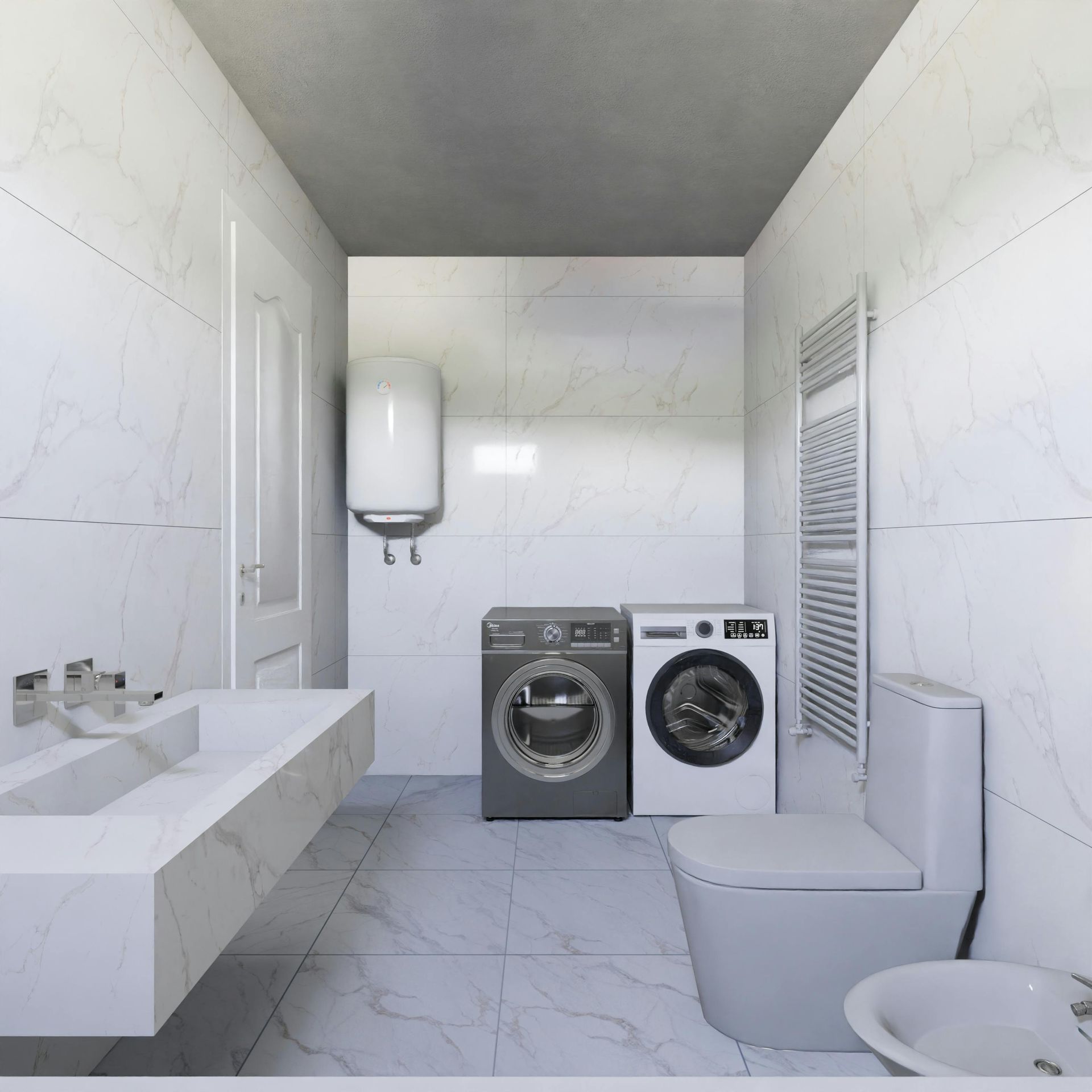
After installation completes, you'll notice hot water arrives at fixtures within seconds of opening the tap, and the supply continues without temperature drops no matter how long showers run or how many loads of laundry cycle through. The compact wall-mounted unit frees up floor space previously occupied by a bulky storage tank, and you no longer hear the rumbling sounds of a tank-based burner cycling on during quiet evening hours.
Annual maintenance keeps mineral scale from building up inside the heat exchanger, which is especially relevant in areas with hard water. The service includes flushing the system with descaling solution and inspecting the ignition components and gas valve operation. Units that receive regular maintenance maintain their efficiency ratings and operate reliably for decades, while neglected systems lose heating capacity and eventually fail from scale accumulation blocking water flow through narrow internal passages.
What Homeowners Ask Before Upgrading
Families considering the switch from tank to tankless systems often have practical questions about how the technology works and what the installation involves.
What size tankless unit does my home need?
Unit sizing depends on the number of fixtures you'll operate simultaneously and the temperature rise required, which Wrench Wise Plumbing calculates by measuring incoming groundwater temperature and determining your household's peak demand patterns during morning routines or evening hours.
How does a tankless system handle simultaneous hot water demands?
Flow rate capacity determines how many gallons per minute the unit can heat to your set temperature, so sizing correctly ensures the system maintains consistent output even when showers, dishwashers, and washing machines run at once without temperature fluctuations.
When should I schedule annual maintenance for my tankless water heater?
Service intervals typically fall before winter heating season begins, allowing technicians to flush mineral deposits and verify ignition reliability before cold weather increases hot water usage and stresses the system during its busiest operational period.
What changes during the installation process compared to replacing a storage tank?
Gas line modifications often involve upgrading to larger diameter pipe to supply the higher BTU input tankless units require during operation, and venting must meet specific clearance requirements since exhaust gases exit at different temperatures than conventional storage heaters.
How does Twin Falls water quality affect tankless system performance?
Mineral content in the local water supply determines how frequently descaling maintenance is necessary, with harder water requiring more frequent flushing to prevent calcium buildup inside the heat exchanger from restricting water flow and reducing heating efficiency over time.
Wrench Wise Plumbing evaluates your existing plumbing infrastructure and recommends tankless models that match your household size and usage patterns. Contact our team at (208) 751-0159 to arrange an on-site assessment of your current water heating system and fuel supply capacity.