Systems That Support Daily Business Operations
Commercial Plumbing Services in Twin Falls for offices, retail spaces, and multi-unit properties facing system downtime and maintenance demands
A restaurant restroom with backed-up drainage or an office building with inconsistent water pressure disrupts operations and creates liability concerns. Wrench Wise Plumbing delivers commercial plumbing services in Twin Falls for business owners, property managers, and facility operators who need reliable system performance without extended downtime. The service addresses everything from routine fixture repairs to comprehensive maintenance programs that keep high-traffic plumbing systems operational during business hours.
Commercial plumbing differs from residential work in scale, usage intensity, and code requirements, particularly in restaurants where grease traps require specialized cleaning schedules and retail spaces where public restroom fixtures endure significantly higher daily use than household equivalents. Maintenance programs include scheduled inspections of water heaters, supply valves, drainage systems, and fixture mounting hardware to identify wear patterns before they result in service interruptions that affect customers or tenants.
Arrange a facility assessment to evaluate your commercial plumbing system's current condition and maintenance requirements.
How Commercial Plumbing Addresses High-Use Demands
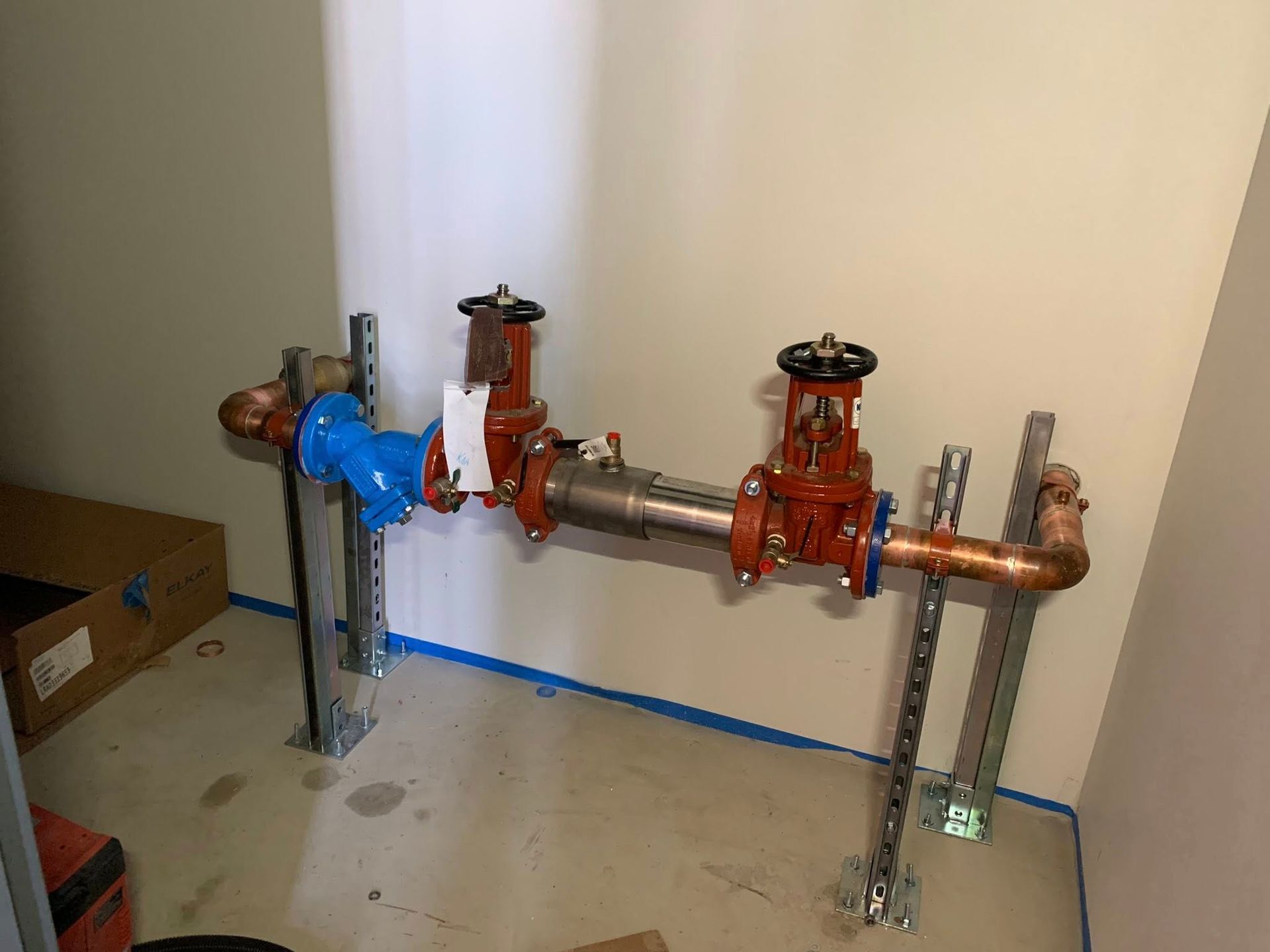
Commercial plumbing systems require components rated for continuous or high-frequency use, including heavy-duty flush valves, reinforced supply lines, and fixtures designed to withstand public use without frequent adjustment. Wrench Wise Plumbing selects materials and installation methods based on your facility's specific demands, whether that's a warehouse requiring durable utility fixtures or a multi-tenant office building needing accessible shutoffs for individual suites. Water heater solutions for commercial properties often involve larger capacity units or multiple linked systems that provide consistent hot water during peak demand periods without recovery delays.
After maintenance or repairs are completed, you'll observe restrooms that remain operational throughout business hours, consistent water temperature in break rooms and kitchens, and drainage systems that handle peak loads without backups during high-traffic periods. Tenant improvement plumbing ensures that new office layouts or retail reconfigurations integrate seamlessly with existing supply and drainage lines, maintaining adequate pressure and drainage capacity even when additional fixtures are added to previously underutilized spaces.
Commercial fixture installation includes ADA-compliant options for public restrooms, sensor-activated faucets that reduce water waste in high-traffic areas, and thermostatic mixing valves that prevent scalding while maintaining efficiency standards. Proactive maintenance scheduling reduces emergency service calls by identifying deteriorating components during planned inspections rather than discovering failures during business hours when repairs become urgent and disruptive.
Common Questions About Commercial Plumbing
Property managers and business owners typically ask about maintenance frequency, code compliance, and how to minimize operational disruption during necessary repairs.
How often should commercial plumbing systems be professionally inspected?
High-use facilities like restaurants and multi-tenant buildings benefit from quarterly inspections, while office spaces with moderate use typically require semi-annual evaluations. Inspections focus on components under the greatest stress, including flush valves, supply line connections, and water heater performance, which deteriorate faster under commercial use patterns than residential equivalents.
What causes repeated clogs in commercial restroom drainage systems?
Frequent clogs in commercial settings often result from improper waste disposal, inadequate venting that slows drainage flow, or undersized drain lines that can't handle peak usage volumes. In Twin Falls commercial properties, mineral buildup from hard water can also narrow drain passages over time, requiring periodic cleaning to maintain full flow capacity.
When does a commercial water heater need replacement versus repair?
If the unit shows tank corrosion, inconsistent heating despite thermostat adjustments, or frequent component failures within a short period, replacement becomes more cost-effective than ongoing repairs. Water heaters in commercial applications typically have shorter lifespans than residential units due to continuous demand cycles that accelerate wear on heating elements and internal components.
How does tenant improvement plumbing integrate with existing building systems?
Tenant improvements require evaluating whether current supply and drainage capacity can support additional fixtures without compromising pressure or flow to existing tenants. This often involves pressure testing at multiple points, calculating fixture unit loads, and verifying that drainage slopes and vent stacks meet code for the revised layout.
What plumbing upgrades improve water efficiency in commercial facilities?
Sensor-activated faucets eliminate unnecessary water flow between uses, low-flow flush valves reduce consumption without sacrificing performance, and thermostatic mixing valves prevent energy waste from overheated water. These upgrades produce measurable reductions in monthly utility costs, particularly in facilities with high daily occupancy.
Wrench Wise Plumbing coordinates service schedules around your business operations to minimize disruption and provides detailed maintenance records that support warranty compliance and property management reporting. Schedule a consultation to develop a maintenance plan tailored to your facility's usage patterns and operational requirements.