Remodel Plumbing That Matches New Layouts
Plumbing Remodeling Services in Twin Falls for properties undergoing kitchen upgrades, bathroom renovations, and fixture relocations
Moving a kitchen sink to an island or relocating a shower to the opposite wall changes where supply lines and drainage must run. Wrench Wise Plumbing provides plumbing remodeling services in Twin Falls for homeowners and contractors who need accurate fixture placement, code-compliant installations, and coordination with other trades during renovation projects. The work ensures that new plumbing integrates correctly with existing systems without compromising water pressure, drainage performance, or structural integrity where pipes penetrate walls and floors.
Remodeling plumbing involves more than connecting new fixtures—it requires evaluating whether existing supply lines can support additional or relocated fixtures, calculating drainage slopes to maintain proper flow, and verifying that vent stacks remain accessible and correctly sized when walls or floor plans change. Bathroom remodel plumbing often includes relocating toilets, which demands precise floor flange positioning and drainage routing that maintains code-required fall rates within limited floor joist spacing.
Request a pre-construction consultation to review fixture placement options and identify supply and drainage routing requirements before demolition begins.
What Changes After Remodel Plumbing Completes
Remodel plumbing starts with mapping existing supply and drainage lines to determine what can be reused, what must be rerouted, and where new penetrations through framing or concrete are necessary. Kitchen remodel plumbing frequently involves adding supply connections for refrigerator ice makers, pot fillers, or secondary sinks, each requiring dedicated shutoffs and adequate pressure distribution that doesn't reduce flow to other fixtures. Contractor coordination ensures that rough-in work aligns with electrical, HVAC, and framing schedules, preventing delays caused by conflicting installations or inaccessible access points once walls close.
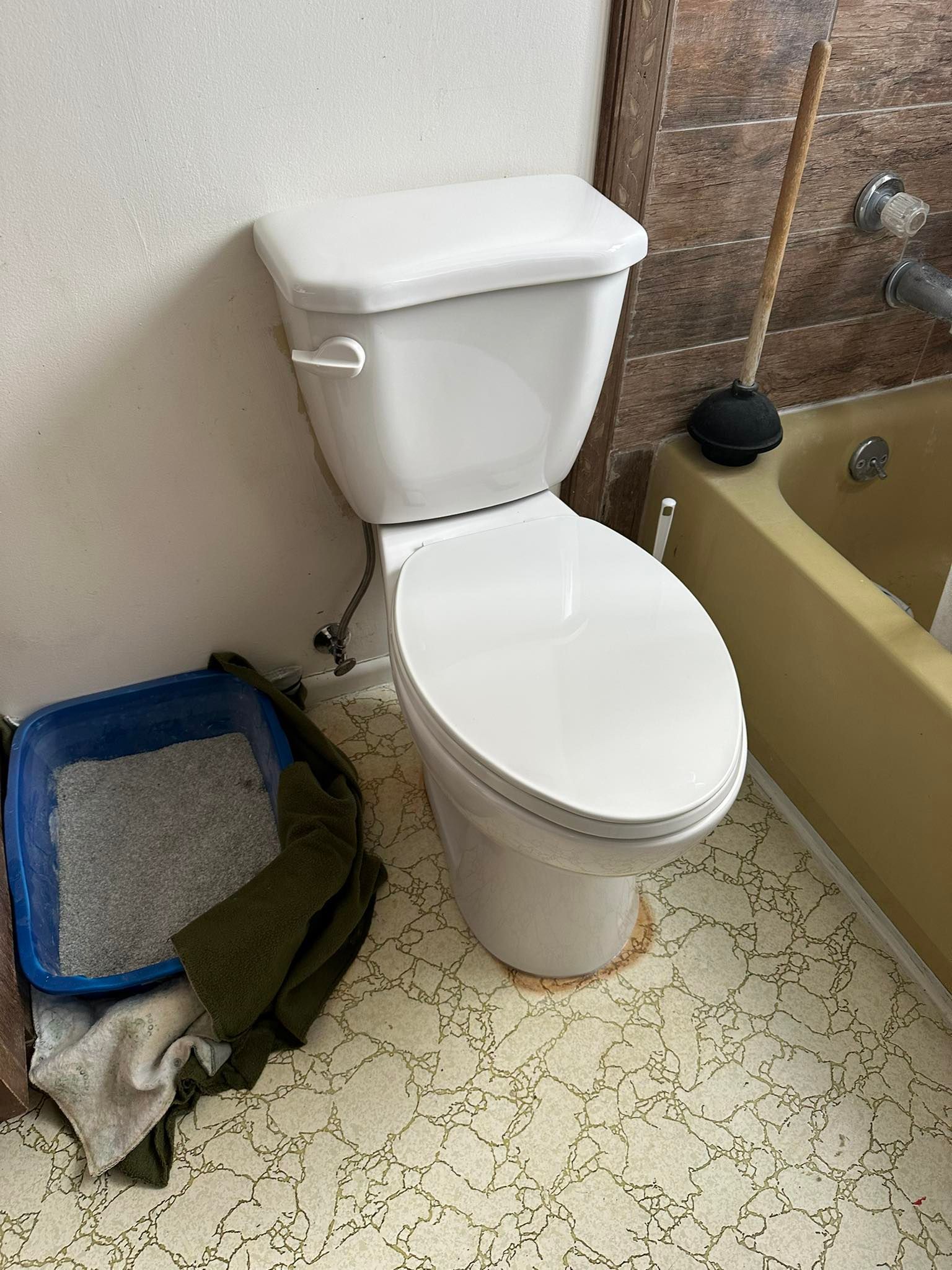
Once the remodel is finished, you'll see fixtures positioned exactly where the design specified, with no visible supply lines or drainage components that detract from finished aesthetics. Water pressure remains consistent across all relocated fixtures, drains clear quickly without gurgling, and shutoff valves remain accessible for future maintenance without requiring demolition. New plumbing installations include upgraded materials that meet current code standards, which often exceed the specifications of original plumbing in older homes, reducing the likelihood of leaks or corrosion in the newly renovated spaces.
Renovation plumbing upgrades may include replacing galvanized supply lines with modern alternatives during remodel work, particularly when walls are already open and access is simplified. Fixture relocation also provides an opportunity to improve drainage venting, which older homes sometimes lack due to outdated code requirements that are no longer acceptable for permit approval.
What Property Owners Ask About Remodeling Plumbing
Homeowners and contractors working on renovation projects often ask about fixture placement limitations, timeline coordination, and what existing plumbing can be preserved versus what requires replacement.
What determines whether a fixture can be relocated to a specific location?
Drainage is the primary constraint—toilets and showers require sufficient vertical drop to maintain proper flow, which may not be achievable in all floor areas depending on joist direction and existing drainage stack locations. Supply lines are more flexible but must maintain adequate pressure, which sometimes requires upsizing the main supply if multiple high-demand fixtures are added simultaneously.
How does plumbing rough-in timing coordinate with other trades during a remodel?
Plumbing rough-in typically occurs after framing and before insulation and drywall, allowing supply and drainage lines to be installed while wall cavities remain accessible. This timing requires coordination with electricians to avoid conflicts where both trades need the same wall or floor cavity, and with HVAC installers to ensure ductwork doesn't obstruct plumbing access for future maintenance.
When should existing plumbing be replaced during a remodel versus reused?
If existing supply lines show corrosion, reduced flow, or utilize outdated materials like galvanized steel, replacement during the remodel prevents future failures hidden behind newly finished walls. Drainage lines can often be reused if they remain properly sloped and show no signs of deterioration, though cast iron stacks in older Twin Falls homes may warrant replacement if interior buildup has reduced flow capacity.
What plumbing upgrades add value during a kitchen or bathroom remodel?
Dedicated shutoff valves for each fixture simplify future repairs, water hammer arrestors prevent banging when faucets close quickly, and thermostatic shower valves maintain consistent temperature even when other fixtures operate simultaneously. These components address common plumbing complaints in older homes where original installations lacked such features.
How does code compliance affect plumbing design in a remodel?
Current codes often require backflow prevention devices, updated vent sizing, and specific materials that weren't mandatory when older homes were built. Remodel work must meet current standards regardless of what existed previously, which sometimes necessitates additional vent lines or supply upgrades that weren't part of the original scope.
Wrench Wise Plumbing works directly with general contractors and homeowners to ensure plumbing installations support design goals while meeting all code requirements for inspection approval. Schedule a project review to confirm fixture placement feasibility and establish a coordination timeline that keeps your remodel on schedule.