Systems That Work When You Need Them
Plumbing Maintenance Services in Twin Falls for preventing emergency failures during freezing weather or peak usage periods
Plumbing systems fail at the worst possible times because stress accumulates gradually through normal use until a single fixture demand or temperature drop triggers complete failure. Wrench Wise Plumbing designs preventative maintenance programs that identify deteriorating components before they fail, test shut-off valves to ensure they'll actually stop water flow during emergencies, and flush sediment from water heaters before mineral accumulation hardens into deposits that insulate the tank bottom and reduce heating efficiency. Regular inspections catch small leaks while they're still dripping rather than spraying, and drain evaluations locate developing clogs before they completely block waste lines and cause backups into fixtures.
Maintenance visits involve systematic evaluation of the entire plumbing system, checking supply line connections for corrosion, testing fixture operation to identify worn cartridges, inspecting drain traps for proper venting, and documenting component conditions so you can plan replacements during convenient timeframes rather than dealing with emergency failures during holiday gatherings or when you're away from the property.
Schedule annual plumbing inspections before winter weather arrives to verify systems can handle seasonal stress from temperature fluctuations and increased hot water demands.
What Regular Maintenance Prevents Long-Term
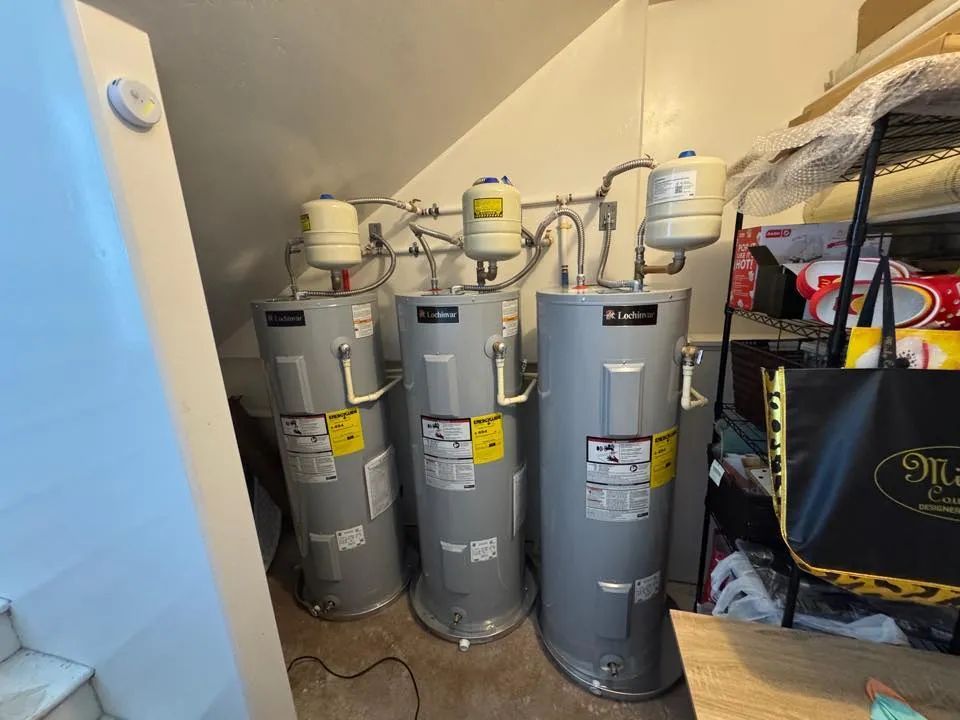
Preventative service extends plumbing system life by addressing minor issues before they cascade into major failures that require extensive repairs. Water heaters that receive annual flushing maintain factory efficiency ratings throughout their service life instead of losing heating capacity as sediment layers thicken, and drain lines cleared regularly before complete blockages develop continue flowing freely rather than requiring emergency clearing when wastewater backs up into living spaces during dinner preparation.
After implementing a maintenance schedule, you'll notice fewer unexpected repair calls, lower utility bills from systems operating at design efficiency, and increased fixture longevity since components don't endure the stress of operating while partially failed. Testing shut-off valves annually keeps them operable so they'll actually close when you need to isolate a failed fixture, and lubricating valve stems prevents the seized connections that force you to shut off water to the entire house when a single faucet needs repair.
Service plans typically include leak checks under sinks and around water heaters where small drips often go unnoticed, fixture testing to evaluate flush performance and fill cycle timing, and thermal imaging around water lines to detect moisture intrusion before it causes structural damage. Documentation from each visit creates a service history that helps identify patterns, like whether certain fixture types consistently fail early or whether water quality issues are accelerating component wear throughout the property.
Questions Before Starting Your Service Program
Property owners considering maintenance programs want details about what inspections cover and how scheduling works throughout the year.
What does a comprehensive plumbing inspection include?
Technicians evaluate all accessible supply lines and drain connections, test fixture operation and shut-off valve function, inspect water heater condition and temperature settings, check for evidence of leaks or moisture damage, and document component ages to project replacement timing.
How does preventative maintenance reduce emergency repair costs?
Catching problems while components are still functioning allows scheduled repairs during normal business hours at standard rates, avoiding after-hours emergency charges and the secondary damage that occurs when failures go undetected overnight or during vacations.
When should water heater maintenance be performed?
Annual service before cold weather increases hot water demand ensures systems operate efficiently when stressed by longer showers and higher usage, and flushing sediment in autumn prevents mineral deposits from hardening over winter when the heater cycles frequently.
What plumbing issues are most common in Twin Falls properties?
Freeze damage to exterior hose bibs and exposed pipes during cold snaps, mineral buildup in water heaters and fixture aerators from hard water, and drain line blockages from soap accumulation combined with low-flow fixture restrictions create the majority of service calls throughout the area.
How often should drain lines be evaluated?
Annual drain inspections identify developing clogs before they completely block lines, checking flow rates at fixtures and using cameras in main drain lines when slow drainage suggests partial blockages that will worsen if left unaddressed until wastewater backs up.
Wrench Wise Plumbing offers customized maintenance programs that match your property's age, usage patterns, and system complexity. Call (208) 751-0159 to set up a service plan that keeps plumbing systems operating reliably year-round.